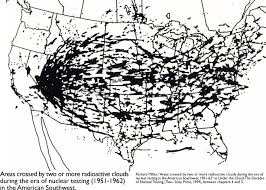
Radioactive materials are still present at the former Nevada Test Site and the effects of fallout have been felt as far away as the Midwest and New England.
- Massive Underwater Dumpsite: Investigations have identified a vast, poorly documented dumpsite for DDT-contaminated industrial waste between Catalina Island and the LA coast.
- Investigation and Research: The U.S. EPA and California state agencies are researching the full scope of the contamination to understand the risks.
Acid rain is a highly acidic form of precipitation caused by atmospheric pollution, specifically sulfur dioxide and nitrogen oxides reacting with water molecules. These emissions, primarily from fossil fuel combustion and industrial processes, damage aquatic ecosystems, forests, and infrastructure. It is largely managed via emission controls.
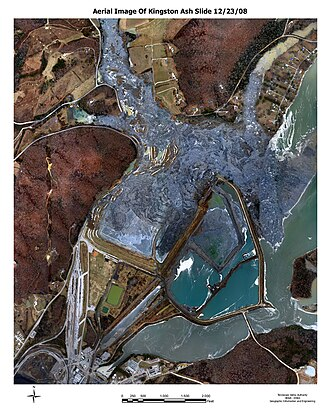
The Kingston Fossil Plant Spill
An environmental and industrial disaster that occurred on December 22, 2008, when a dike ruptured at a coal ash pond at the Tennessee Valley Authority's Kingston Fossil Plant in Roane County, Tennessee, releasing 1.1 billion US gallons (4.2 million cubic metres) of coal fly ash slurry. The coal-fired power plant, located across the Clinch River from the city of Kingston, used a series of ponds to store and dewater the fly ash, a byproduct of coal combustion. The spill released a slurry of fly ash and water which traveled across the Emory River and its Swan Pond embayment onto the opposite shore, covering up to 300 acres (1.2 km2) of the surrounding land. The spill damaged multiple homes and flowed into nearby waterways including the Emory River and Clinch River, both tributaries of the Tennessee River. It was the largest industrial spill in United States history.
What's the true cost of the AI revolution and who should be paying for it? We went to Georgia to find out. Demand for data centers is booming as ChatGPT and other AI tools become integrated into our daily life. Under the Trump administration, investments into data centers in the U.S. is expected to surpass $1 trillion in the next five years. But data centers put extraordinary demand on the power grid and require entirely new infrastructure. In the next three years, data center use of electricity is expected to double or even triple. We went to rural Georgia, the state with the fastest data center growth in the country, and spoke with residents who are living next to massive data centers owned by Meta and Blackstone and facing nonstop noise, pollution and rapidly rising electricity bills.
A frenzy of development to support the artificial intelligence boom is prompting pushback from communities who say they don't want data centers in their backyards. Technology journalist Jacob Ward joins CBS News to discuss.