
As of this week, 31 out of 50 U.S. states—well over half the nation—have introduced legislation to ban or severely limit geoengineering and weather modification operations. Just days ago, on March 24th, that number stood at 24. Seven new states have joined in under a week, reflecting an undeniable groundswell of public awareness and political will.
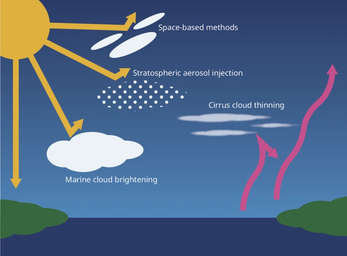
Solar Geoengineering Could Wreak Havoc on the Planet
Unintended consequences
Inconsistent and causes changes in precipitation patterns and in turn affect food and water security. Stratospheric aerosol injection could disrupt the Asian and African summer monsoons, which are crucial for agriculture. Meanwhile, the sulfur particles that some geoengineering methods use could cause air pollution and increase acid rain. Why are billionaires and Silicon Valley executives the main proponents of dimming the sun?
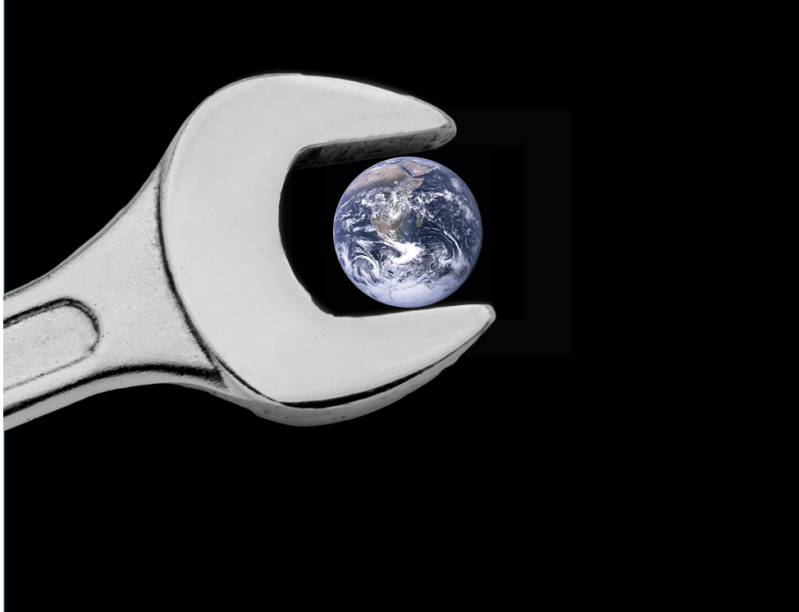
Why Geoengineering is a False Solution to the Climate Crisis
In fact, geoengineering technologies are inherently unpredictable and pose new, significant, unprecedented risks to the fragile ecosystems that sustain life on Earth, which are our best allies in the fight against the crisis.
Center for International Environmental Law
Peer-reviewed and published scientific and medical articles about geoengineering.

Universities, non-profits, private firms, and militaries are investing research time and money into whether and how solar geoengineering might work and at what scale, exploring the physics, engineering, and chemistry combinations required to slow or halt global temperature rise, or even cool the planet. The appeal of a techno-fix to a complicated problem is obvious, particularly in industrialized societies, but solar geoengineering only masks the effects of climate change. Global solar geoengineering would not reverse climate change, but instead alter the climate in new directions, with potential effects that are not yet fully understood.

Experts Warn Against Five Polar Geoengineering Ideas:
A team of international scientists is urging caution against five of the most-discussed polar geoengineering ideas, stating they are highly unlikely to help the polar regions and could harm ecosystems, international relations, and reduce our chances of reaching net zero by 2050. Proposals will not help and could harm, according to new assessment.
Scripps Institution of Oceanography at the University of California San Diego

A hard look at geoengineering reveals global risks
UCSB scientists find cloud seeding could disrupt El Niño
Underscoring the need for caution in climate interventions. Such interventions could influence everything from rainfall to global food supplies, making the stakes enormous.
Geoengineering exposes plane passengers to sulphuric acid.
Spraying sun-reflecting particles causes commercial flights to pass through clouds of sulphuric acid, posing a danger to passengers and crew.